

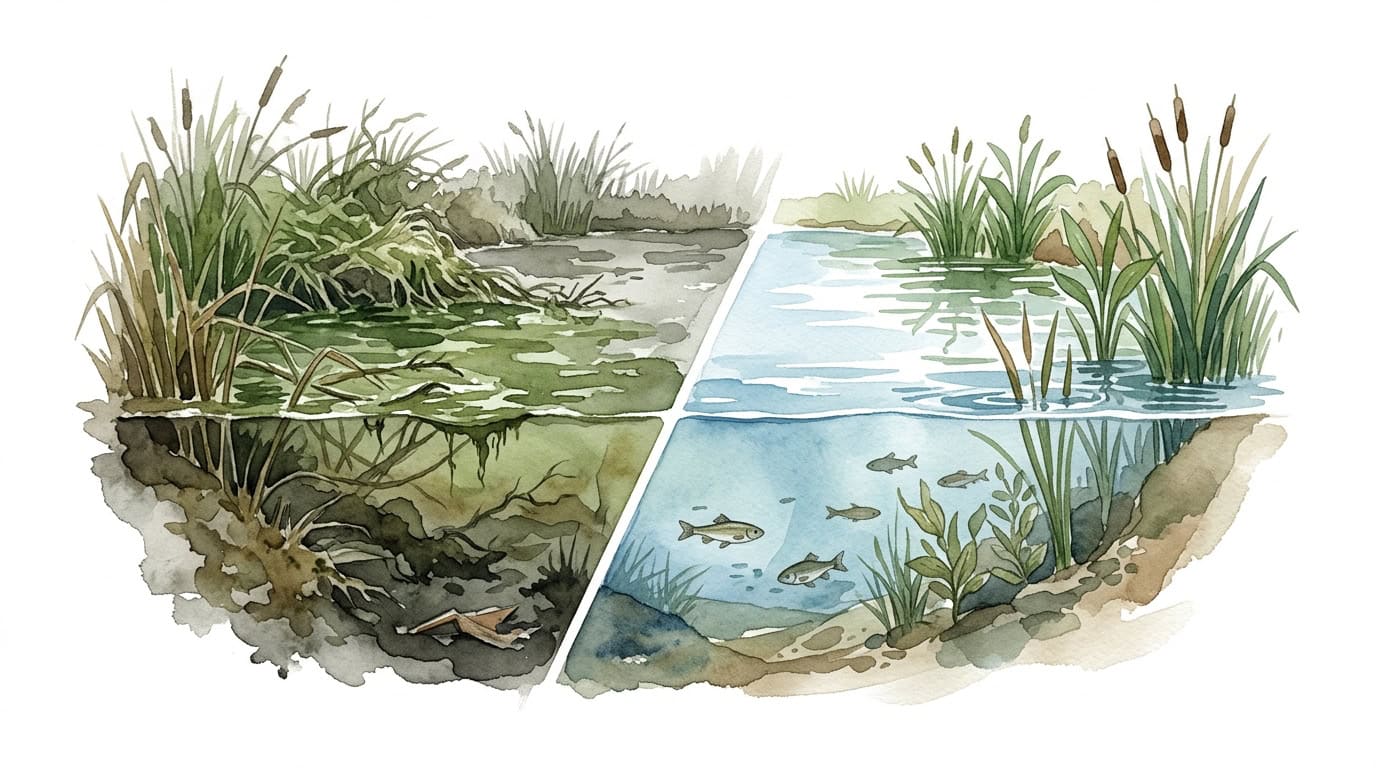
Ponds are living organisms. If you stop the heartbeat of maintenance, the ecosystem dies. Waiting until the water turns green is too late. Discover the ‘sweet spot’ frequency for pond visits that keeps your water alive and healthy year-round.
How Often Should A Pond Management Company Visit Your Property?
Professional pond management is defined as the systematic application of biological, chemical, and mechanical interventions to maintain a closed aquatic ecosystem in a state of living equilibrium. The frequency of these visits is not determined by aesthetic preference but by the metabolic rate of the pond’s biological components. In high-temperature environments, microbial activity and nutrient cycling accelerate, necessitating a higher frequency of oversight to prevent systemic failure.
Typical industry standards dictate a visit frequency ranging from bi-weekly (every 14 days) to monthly (every 30 days) during the peak growing season. For most temperate climates, this intensive management period spans from March through October. During the dormant winter months, frequency typically shifts to a quarterly or monthly schedule, focusing on mechanical system integrity and winterization protocols.
The visit frequency is influenced by the pond’s specific nitrogen and phosphorus loading rates. A shallow retention pond receiving high volumes of fertilizer-laden runoff from a surrounding residential development requires more frequent intervention than a deep, isolated natural lake. Factors such as the dissolved oxygen (DO) saturation levels, thermal stratification, and the presence of invasive aquatic species provide the data points necessary to calibrate a custom visit schedule.

Technical Integration of Mechanical and Biological Systems Management
The core of a professional management visit involves the calibration of mechanical systems and the monitoring of biochemical parameters. Technicians prioritize the inspection of aeration systems, as these are the primary drivers of gas exchange. Subsurface diffused aeration systems utilize rocking piston or linear diaphragm compressors to move air to the pond floor, facilitating the rise of oxygen-poor water to the surface.
Checking these systems during every visit is mandatory to ensure the compressor’s PSI (pounds per square inch) remains within the manufacturer’s specified range. A rise in PSI often indicates a clogged diffuser membrane, while a drop in pressure suggests a breach in the weighted airline. Replacing air filters every 90 to 180 days prevents particulate matter from scoring the internal cylinder walls of the compressor, thereby extending the mean time between failures (MTBF).
Biological management follows a strict sequence of diagnostic testing and targeted inoculation. Technicians measure orthophosphates and total nitrogen to determine the potential for algal blooms. If nutrient levels exceed the pond’s biological carrying capacity, the application of aluminum sulfate or lanthanum-modified clay is utilized to sequester phosphorus in the benthic layer. This process turns active nutrients into inert solids, effectively starving potential algae outbreaks before they manifest.
Technical Benefits of High-Frequency Monitoring
A bi-weekly visit schedule offers the primary advantage of shortening the feedback loop between environmental stressors and corrective actions. In aquatic systems, the transition from a healthy aerobic state to a hypoxic (low oxygen) state can occur in less than 72 hours under specific climatic conditions. Frequent monitoring allows for the early detection of localized fish kills or the onset of cyanobacteria blooms, which can produce dangerous hepatotoxins and neurotoxins.
Consistent oversight also ensures the optimization of beneficial microbial populations. Regular additions of nitrifying bacteria (Nitrosomonas and Nitrobacter) help manage the nitrogen cycle by converting toxic ammonia into nitrites and subsequently into relatively harmless nitrates. By dosing these microbes in smaller, frequent intervals, the manager maintains a stable population that can effectively outcompete nuisance algae for available nutrients.
Mechanical longevity is significantly improved when maintenance occurs at short intervals. Fountains and surface aerators are susceptible to debris accumulation on intake screens. A monthly visit might allow a plastic bag or matted vegetation to obstruct the intake, causing the motor to overheat and potentially burn out. Bi-weekly checks ensure these obstructions are cleared, maintaining the unit’s cooling flow and preserving the electrical integrity of the system.

The Failure Point: Risks of Deferred Maintenance
Neglected pond systems inevitably succumb to eutrophication, a process where excessive nutrient enrichment leads to rapid plant growth and subsequent oxygen depletion. When visits are spaced too far apart, the pond’s “living equilibrium” shifts toward “neglected stagnation.” This transition is often marked by a sudden spike in biochemical oxygen demand (BOD) as large volumes of organic matter begin to decay simultaneously.
A common pitfall in lower-frequency schedules is the “clear water trap.” Owners may assume a pond is healthy because it is transparent, not realizing that high clarity can allow sunlight to penetrate to the bottom, fueling the growth of invasive submersed vegetation like Hydrilla or Coontail. By the time these plants reach the surface, the biomass is so great that any chemical treatment will result in a massive oxygen crash as the plants die and decompose.
Equipment failures that occur early in a long maintenance gap can result in catastrophic loss. If an aeration compressor fails one week into a six-week visit cycle during the peak of summer, the resulting stratification and anoxic conditions can lead to a total fish kill within days. The cost of restocking a pond and dredging accumulated organic muck far exceeds the investment in a higher-frequency management contract.
Situational Constraints and Environmental Limitations
The ideal visit frequency is subject to realistic environmental constraints, such as geographic location and pond accessibility. In regions with extreme winters, ice cover prevents chemical applications and certain mechanical inspections. In these scenarios, management shifts to a “monitoring-only” phase where the focus is on maintaining a gas exchange hole in the ice to prevent the buildup of toxic hydrogen sulfide and methane.
Pond size also dictates practical boundaries. Small, 0.25-acre backyard ponds have very low thermal mass and can fluctuate in temperature and chemistry rapidly, often requiring weekly or bi-weekly attention. Conversely, large 10-acre reservoirs may have enough ecological buffering to tolerate a monthly schedule, provided they have robust aeration and a balanced littoral shelf.
Financial constraints must be balanced against the technical requirements of the water body. While a bi-weekly schedule is technically superior for high-nutrient environments, some property managers may opt for monthly visits combined with remote telemetry. The trade-off is a higher reliance on sensors, which require their own calibration and can be prone to fouling in high-muck environments.
Comparison: Monthly vs. Bi-Weekly Service Intervals
The choice between service intervals should be based on measurable factors like nutrient load and mechanical complexity. The following table outlines the technical differences in management outcomes between the two most common professional frequencies.
| Metric | Monthly Service (30 Days) | Bi-Weekly Service (14 Days) |
|---|---|---|
| Nutrient Response | Reactive; treatments occur after growth. | Proactive; treatments prevent bloom. |
| DO Monitoring | 30-day data gaps; higher risk of hypoxia. | 14-day data gaps; better trend analysis. |
| Algae Control | Requires higher chemical dosages. | Utilizes lower, more frequent dosing. |
| Mechanical Risk | High; debris can clog intakes for weeks. | Low; screens are cleared twice as often. |
| System Stability | Fluctuating water chemistry. | Steady-state biological equilibrium. |
Best Practices for Real-Time Efficiency
Optimizing a pond management schedule requires the integration of on-site data with seasonal variables. Technicians should always begin a visit by measuring the Secchi disk depth to quantify water clarity. This simple metric provides an immediate indicator of planktonic activity. If clarity decreases by more than 25% between visits, the manager must investigate the source of nutrient influx, such as a broken storm pipe or recent heavy fertilization of the surrounding turf.
Utilizing dye as a light-limiting tool is an efficient practice for ponds in high-sunlight areas. By applying a non-toxic blue or black dye, the technician can reduce the amount of Photosynthetically Active Radiation (PAR) reaching the pond floor. This suppresses the growth of bottom-dwelling filamentous algae and submersed weeds, allowing the manager to maintain a clean water column with fewer herbicidal interventions.
Maintaining a detailed maintenance log is essential for long-term optimization. This log should track pH, alkalinity, hardness, and temperature at every visit. Over time, this data reveals the pond’s specific “metabolic signature,” allowing the management company to predict when specific invasive species are likely to emerge based on growing degree days (GDD).
Advanced Telemetry and Analytical Integration
Serious practitioners of pond management are increasingly moving toward remote telemetry systems. These systems utilize probes to monitor dissolved oxygen, temperature, and conductivity in real-time, transmitting the data to a central dashboard. When oxygen levels drop below a pre-set threshold (e.g., 4.0 mg/L), the system triggers an alert, allowing for an emergency technician dispatch before a biological crash occurs.
Advanced chemical titration is another technique used in high-value ponds. Instead of applying a generic dose of algaecide, the technician calculates the exact dosage based on the current water volume—accounting for evaporation—and the specific species of algae present. This precision reduces the chemical footprint in the environment and prevents the development of resistant algae strains.
Ultrasonic algae control is a mechanical alternative that can be integrated into a management plan. These devices emit specific sound frequencies that cause the internal gas vesicles of blue-green algae to rupture, causing them to sink and die. Integrating these units requires a quarterly inspection to ensure the transducer faces are clear of biofouling, which can attenuate the sound waves and reduce effectiveness.
Operational Scenarios and Practical Application
Consider a 1-acre stormwater retention pond located in a suburban Florida neighborhood. This pond receives runoff from 50 heavily fertilized lawns and has an average depth of 5 feet. In this scenario, a monthly visit schedule is insufficient. The high nutrient load and high temperatures would result in near-constant algae blooms. A bi-weekly schedule is mandatory here to manage the rapid turnover of nitrogen and to keep the fountain intakes clear of the heavy debris characteristic of Florida storm events.
In contrast, a 3-acre natural pond in a forested area of the Pacific Northwest may only require monthly visits. The natural shade from the tree canopy limits solar energy, and the absence of residential runoff keeps phosphorus levels low. The management focus here would be on monitoring for invasive species like Eurasian Watermilfoil and ensuring the aeration system remains clear of fallen pine needles and leaf litter.
A third scenario involves a highly stocked Koi pond. Because these systems have an extremely high biological load from fish waste, they often require weekly checks. The technician focuses on ammonia and nitrite levels, as these can reach lethal concentrations in a matter of days if the biological filter is compromised. In these intensive systems, the visit frequency is the only safeguard against the rapid accumulation of metabolic toxins.
Final Thoughts
Maintaining a pond at the “sweet spot” of visit frequency is the difference between an asset and a liability. The data clearly shows that proactive, high-frequency management reduces the total volume of chemicals needed and significantly extends the life of mechanical hardware. By focusing on biological equilibrium rather than reactive treatments, property owners can ensure their aquatic ecosystems remain stable and healthy.
The frequency of visits should be viewed as a mechanical requirement of the ecosystem, similar to how a high-performance engine requires frequent oil analysis and tuning. As the pond matures and sediment layers thicken, the need for professional oversight generally increases. This is due to the rising internal nutrient loading from the bottom muck, which can fuel sudden and intense biological shifts.
Engaging with a management company that prioritizes data collection and mechanical precision is vital. Every pond is a unique chemical reactor, and only through consistent, technical monitoring can the “heartbeat” of the ecosystem be maintained. Experimenting with different frequencies while tracking water quality metrics will eventually reveal the most efficient schedule for any specific water body.