

Pond Talk is an Amazon Associate. As an Amazon Associate we earn from qualifying purchases.
Stop throwing away the most nutrient-dense material your backyard produces. Most pond owners see a green nightmare, but savvy gardeners see a free source of nitrogen and minerals. We are breaking down how to stop fighting the green and start harvesting it for your most productive garden yet.
Pond algae is frequently dismissed as a biological failure in water management. This perspective ignores the massive accumulation of solar energy and aqueous nutrients stored within algal biomass. When you remove algae from a pond, you are essentially harvesting a concentrated form of the pond’s entire ecosystem.
Gardeners can transform this perceived liability into a high-performance soil amendment. The process requires understanding the mechanical properties of algae and the biological needs of your soil. This guide examines the technical specifications of pond algae and how to integrate it into a professional-grade gardening system.

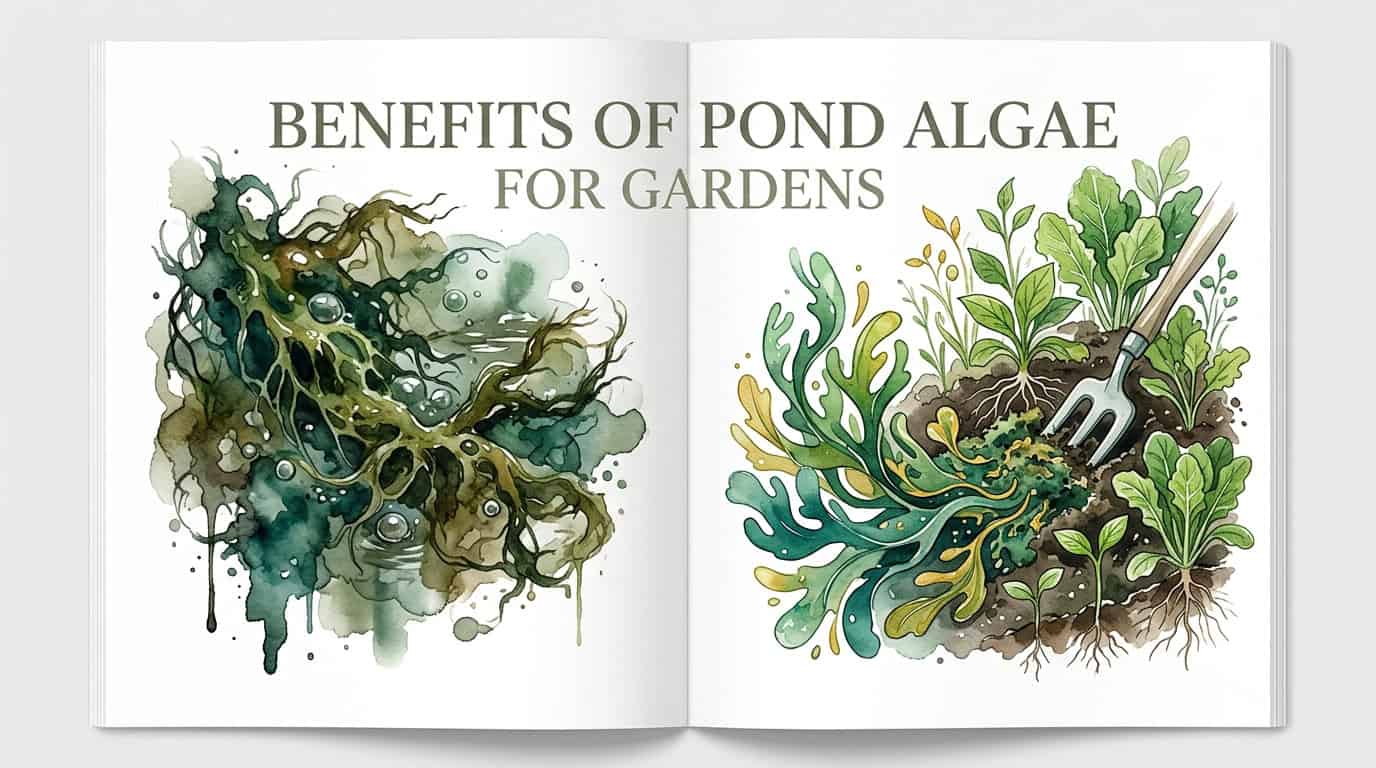
Benefits Of Pond Algae For Gardens
Pond algae functions as a rapid-release organic fertilizer and a long-term soil conditioner. It primarily consists of nitrogen, phosphorus, and potassium, which are the three essential macronutrients for plant growth. Beyond these basics, algae contains a high concentration of trace minerals such as iron, magnesium, and calcium that are often depleted in standard garden soils.
Algae acts as a biological sponge, absorbing dissolved nutrients from the pond water. In many backyard ponds, these nutrients come from fish waste and decaying organic matter. When harvested, the algae serves as a transport mechanism, moving those concentrated nutrients directly to your vegetable beds or ornamental plants.
The cellular structure of algae is also highly beneficial for soil texture. Unlike woody materials that take years to decompose, the simple cellular walls of algae break down quickly. This process stimulates microbial activity in the rhizosphere, which is the area of soil surrounding plant roots. Increased microbial activity leads to better nutrient bioavailability for your crops.
Moisture retention is another significant technical advantage. Algal biomass contains natural polymers and mucilage that can hold several times its weight in water. Incorporating this material into sandy soils improves their water-holding capacity, reducing irrigation requirements and stabilizing the plant’s environment during heat stress.
Mechanical Harvesting and Preparation
Successful utilization of algae starts with efficient mechanical extraction. Filamentous algae, often called “string algae,” is the easiest to harvest manually. A heavy-duty plastic rake or a specialized pond skimmer can gather large quantities of biomass in a single session. This physical removal also helps balance the pond’s nitrogen cycle by preventing the nutrients from recycling back into the water column during decomposition.
Once extracted, the algae requires a dewatering phase. Freshly harvested algae can be up to 95% water by weight. Transporting and applying this saturated material is inefficient and can lead to anaerobic conditions if applied too thickly. Spread the harvested mats on a screen or a permeable tarp in a high-sunlight area for 24 to 48 hours.
Solar drying reduces the weight and volume, making it easier to distribute. It also kills most aquatic larvae or small organisms that may be living within the mats. If the intention is to use the algae as a mulch, it should be dried until it reaches a leathery consistency. If it is being added to a compost pile, a higher moisture content is acceptable to jumpstart the decomposition process.
For planktonic algae (the kind that turns water green), harvesting is more complex. This usually requires a fine-mesh filtration system or a flocculant that causes the algae to clump together and settle. Most backyard gardeners find that focusing on filamentous algae provides the highest return on labor investment.
Optimization of Nutrient Delivery
Algae can be applied to the garden through three primary methods: direct soil incorporation, surface mulching, or liquid extraction. Each method has specific mechanical advantages depending on the target crop and the current soil profile. Direct incorporation involves tilling or digging the dried algae into the top six inches of soil, where it can break down and release nitrogen directly into the root zone.
Surface mulching utilizes the algae’s moisture-retention properties. Laying a two-inch layer of dried algae around the base of plants suppresses weed growth while slowly leaching nutrients into the soil with every rainfall. This method is particularly effective for heavy feeders like tomatoes and peppers that require consistent moisture and high nitrogen levels during their vegetative growth phase.
Liquid extraction, often called “algae tea,” involves fermenting the biomass in a bucket of water. This process extracts the soluble nutrients and creates a concentrated liquid fertilizer. Aerating the mixture with a small air pump prevents the solution from becoming anaerobic and producing foul odors. The resulting liquid can be applied as a soil drench or a foliar spray for immediate nutrient uptake.
Technical Advantages of Algae Over Synthetic Fertilizers
Synthetic fertilizers provide a precise NPK ratio but often lead to soil degradation over time. They do not contribute to the soil’s organic matter or microbial health. Pond algae, as a “green gold” source, provides a slow-release mechanism that matches the natural uptake rate of most plants. This prevents the nutrient leaching and “root burn” often associated with high-concentration chemical salts.
Algae contains natural growth hormones, including cytokinins and auxins. These biochemical compounds stimulate cell division and root elongation. Studies indicate that plants treated with algal extracts often show increased resistance to environmental stressors such as frost or drought. This systemic acquired resistance is a benefit that synthetic fertilizers cannot replicate.
The Carbon-to-Nitrogen (C:N) ratio of algae is typically between 10:1 and 20:1. This is considered an ideal ratio for rapid decomposition. Unlike straw or wood chips, which have high C:N ratios and can temporarily “lock up” nitrogen in the soil, algae provides an immediate net gain of nitrogen to the ecosystem. This makes it an excellent “green” component for balancing “brown” carbon sources in a compost system.
Challenges and Mitigation Strategies
Managing the odor of decomposing algae is the primary challenge for most gardeners. Algae is high in protein and nitrogen; when it breaks down without sufficient oxygen, it releases hydrogen sulfide and ammonia. This can be mitigated by ensuring the material is dried properly before application or by burying it deep within a compost pile to trap the gases.
Pathogen transfer is a secondary concern. If your pond is frequented by large numbers of waterfowl, there is a statistical risk of E. coli or Salmonella being present in the algae. To eliminate this risk, incorporate the algae into a “hot” compost pile that reaches temperatures of at least 140°F (60°C). This thermal processing neutralizes most harmful pathogens while preserving the mineral content.
Physical debris such as small stones, fish hooks, or plastic waste can sometimes be caught in the algae mats. Inspecting the harvest during the drying phase is necessary to prevent these contaminants from entering your garden beds. If you use chemical algaecides in your pond, you must exercise extreme caution. Some chemical treatments contain copper or synthetic compounds that can be phytotoxic to terrestrial plants.
Limitations and Environmental Constraints
Pond algae is not a universal solution for every soil type. In soils that are already excessively high in nitrogen, adding large amounts of algae can lead to “leggy” growth and reduced fruit production. It is essential to perform a soil test before implementing a large-scale algae amendment program to ensure you are not creating a nutrient imbalance.
Salt accumulation is a limitation in specific pond setups. If you treat your pond with “pond salt” to manage fish health, the algae will absorb these sodium ions. Applying salt-laden algae to garden beds can lead to soil salinity issues, which inhibits the ability of plants to take up water. Always check the salinity levels of your pond water if you intend to use the biomass for sensitive crops.
Seasonal availability is also a factor. Algae growth peaks during the high-light, high-temperature months of summer. While this aligns with the peak growing season for many vegetables, it means that a consistent supply of “green gold” may not be available for early spring planting unless the material is harvested and dried the previous year. Storage of dried algae must be in a moisture-proof container to prevent mold and premature degradation.
Comparison of Organic Soil Amendments
The following table compares pond algae to other common organic soil amendments based on average nutrient density and impact on soil structure.
| Amendment Type | Primary Nutrient | Decomposition Rate | Soil Structure Impact | Source Cost |
|---|---|---|---|---|
| Pond Algae | Nitrogen / Trace Minerals | Rapid | High (Alginates) | Zero (Internal) |
| Composted Manure | Nitrogen / Phosphorus | Moderate | Medium | Variable |
| Wood Chips | Carbon | Slow | High (Porosity) | Low |
| Grass Clippings | Nitrogen | Rapid | Low | Zero |
| Seaweed Meal | Potassium / Minerals | Moderate | Medium | High |
This comparison highlights that pond algae offers a similar nutritional profile to expensive seaweed meal but at a zero-cost price point for pond owners. It outperforms wood chips and grass clippings in terms of trace mineral variety and the immediate bioavailability of its nutrient load.
Practical Tips for Implementation
Start by harvesting small amounts of algae to test the reaction of your specific soil. Different plant species respond differently to the high-nitrogen hit of fresh algae. Leafy greens like spinach, kale, and lettuce usually show the most immediate improvement in color and growth rate. Root crops like carrots may require a more balanced approach to prevent “hairy” roots caused by excessive nitrogen.
Layering is a best practice. Instead of applying a thick mat of algae, integrate it into a “lasagna” mulch system. Place a layer of cardboard or newspaper down, followed by a thin layer of algae, then top it with straw or wood chips. This suppresses the odor, keeps the algae moist for microbial breakdown, and prevents the sun from bleaching out the nutrients.
Timing your harvest is critical for nutrient density. Algae harvested in late spring and early summer often has the highest concentration of growth-promoting hormones. If you wait until the algae begins to die back naturally in the fall, it may have already lost some of its nitrogen content to the water column. Aim for vibrant, green, actively growing mats for the best results.
Advanced Considerations: The Chemistry of Alginates
Serious practitioners should understand the role of alginates in pond algae. Alginates are linear polysaccharides that act as a soil conditioner. When these compounds interact with metal ions in the soil, they form complex polymers that help aggregate soil particles. Soil aggregation is the key to creating “crumb structure,” which allows for better aeration and drainage.
The pH of the algae should also be considered. Most pond algae is slightly alkaline or neutral, depending on the pond’s water chemistry. If you are growing acid-loving plants like blueberries or azaleas, you should monitor the soil pH. Heavy applications of algae could potentially raise the pH level, requiring a counter-balance of sulfur or peat moss to maintain the necessary acidity.
Bioaccumulation of heavy metals is a technical detail often overlooked in urban environments. Algae is highly efficient at sequestering heavy metals like lead or cadmium from the water. If your pond receives significant runoff from asphalt roads or industrial areas, have a small sample of the algae tested before applying it to food crops. In most residential backyard ponds, this is not an issue, but it is a vital consideration for urban foragers.
Example Scenario: Reclaiming a Nitrogen Sink
Consider a standard 1,000-gallon backyard koi pond. During the summer months, this pond might produce approximately 10 pounds of wet filamentous algae every two weeks. Over a four-month season, this totals 80 pounds of raw biomass.
If the gardener dries this material, it results in roughly 8 to 10 pounds of concentrated “green gold” dry matter. Applying this to a 100-square-foot vegetable bed provides the equivalent of a light application of organic 4-1-2 fertilizer, plus a significant boost in micronutrients. Instead of paying for commercial organic fertilizers, the pond owner has successfully closed the nutrient loop, using the fish waste (via algae) to grow their own food.
In this scenario, the labor involves about 15 minutes of raking every two weeks. The mechanical energy used is human power, and the “waste” is processed on-site. This represents a highly efficient closed-loop system that reduces external inputs while solving a common pond maintenance problem.
Final Thoughts
Transforming pond algae from a “slimy nuisance” into “green gold” is a matter of understanding biological cycles. The nitrogen, minerals, and growth hormones locked within those green mats are far too valuable to be sent to a landfill. By applying basic mechanical harvesting and drying techniques, any pond owner can produce a professional-grade soil amendment for free.
Success requires a shift in perspective—viewing algae growth not as a failure of filtration, but as a productive harvest of solar energy. As you integrate this material into your garden, pay close attention to how your soil texture and plant health change. You will likely find that the most effective tool for a productive garden was floating in your backyard all along.
Experiment with different application methods, from liquid teas to direct mulching. Every garden ecosystem is unique, and the high-energy boost of algal biomass can be fine-tuned to meet your specific needs. Start small, monitor the results, and enjoy the transition from fighting the green to harvesting its rewards.
Amazon and the Amazon logo are trademarks of Amazon.com, Inc, or its affiliates.