

Don’t just kill it and let it rot. Turn that pond slime into garden fuel. Filamentous algae loves to hitch a ride on your pond weeds. We show you how to strip it away and use those captured nutrients to grow your best garden yet.
From a mechanical and biological perspective, filamentous algae represents a concentrated bio-accumulator of nitrogen, phosphorus, and potassium. In most aquatic ecosystems, these nutrients are locked in a cycle of growth and decay that eventually leads to muck accumulation and oxygen depletion. Mechanical harvesting provides a pathway to break this cycle, effectively exporting biomass from the water column to the terrestrial soil environment.
How To Get Rid Of Filamentous Algae Growing On Pond Weeds
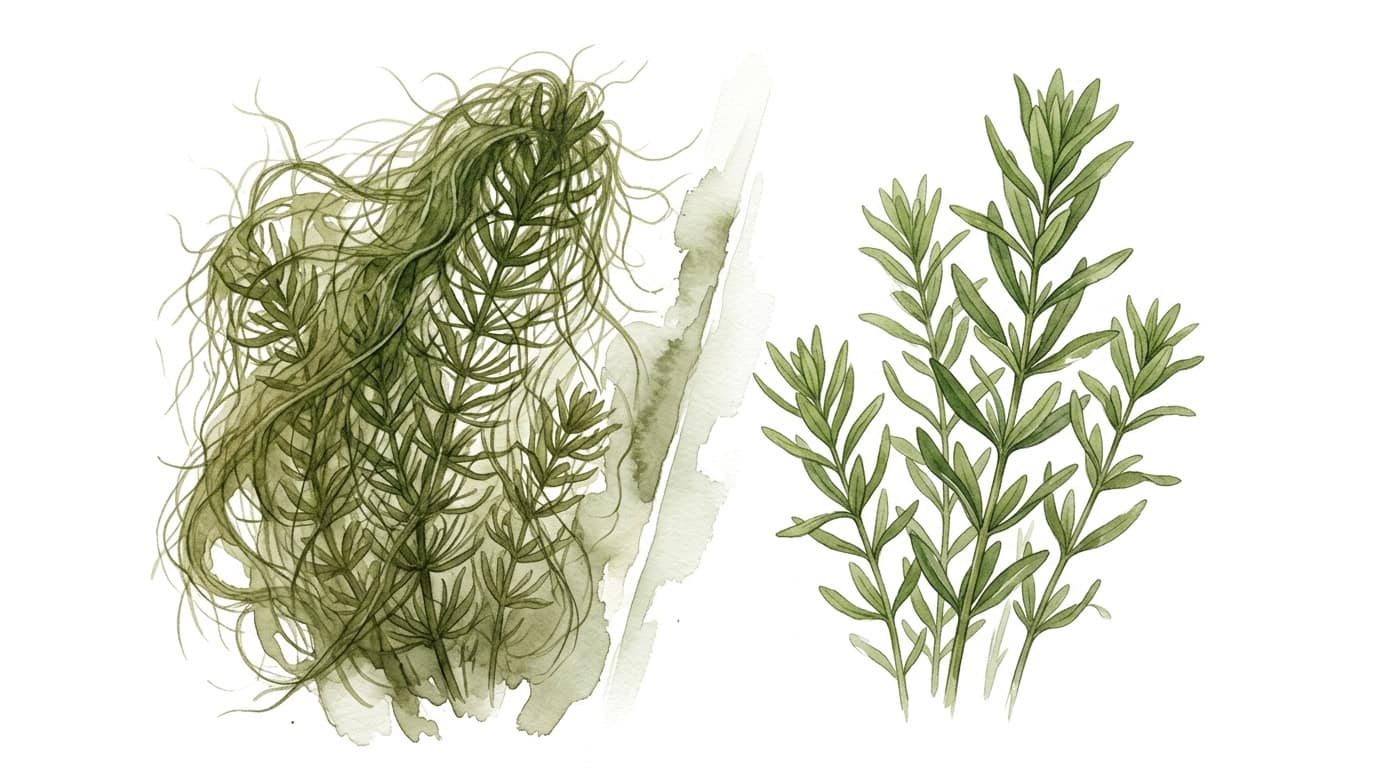
Filamentous algae, often categorized by genera such as Cladophora, Spirogyra, and Pithophora, consists of single-cell organisms that link together to form hair-like strands. Unlike planktonic algae, which remains suspended in the water column, filamentous varieties often anchor themselves to submerged aquatic vegetation (macrophytes) or the pond floor. This physical attachment creates a complex structural challenge: you must separate the “scum” from the beneficial pond weeds without uprooting the host plants.
In real-world scenarios, this algae exists as a response to eutrophication—an overabundance of dissolved nutrients often stemming from lawn fertilizers, agricultural runoff, or organic sediment. Because these filaments have a surprisingly high tensile strength (measured between 5 and 35 MPa), they do not simply wash away. They entangle with the fine, feathery leaves of plants like Coontail or Anacharis, forming dense mats that block sunlight and inhibit the host plant’s photosynthesis.

Successful removal requires a mechanical approach that leverages the difference in structural integrity between the algae and the weeds. While chemical treatments might provide a temporary aesthetic fix, they ultimately cause the algae to die and sink, where they decompose and release their captured nutrients back into the water, fueling the next bloom. Mechanical stripping removes the nutrients entirely, turning a waste product into a valuable soil amendment.
Mechanical Stripping Techniques and Tool Dynamics
To strip filamentous algae from pond weeds effectively, you must understand the mechanical properties of the filaments. Spirogyra is notably slimy due to a pectin-rich outer coating, while Cladophora is coarse and cotton-like. These textures dictate the choice of tool.
The Twirl-and-Pull Method
For smaller ponds or targeted removal from high-value ornamental plants, the twirl method is the most precise. Utilizing a specialized algae brush or even a long-handled reaching tool with a textured tip, you insert the tool into the center of the mass. By rotating the handle, the high tensile strength of the filaments allows them to wrap around the tool, similar to spinning cotton candy. This tension pulls the algae away from the weed’s leaves without the shearing force that would snap the stems of the aquatic plants.
Fine-Tine Raking
On a larger scale, a pond rake with narrowed tine spacing is required. Standard landscape rakes have gaps too wide for fine algal filaments. A dedicated aquatic rake typically features tines spaced at 0.5 to 1.0 inches. When drawn through a bed of weeds, these tines act as a comb. The flexible aquatic weeds pass through the gaps, while the dense, intertwined mats of filamentous algae are caught and pulled to the surface.
The Mechanical Sieve Approach
For extremely dense blooms where the algae has formed surface mats (blanket weed), a floating mesh or sieve can be used. This involves skimming the surface to capture the “rafts” of algae that have been lifted by oxygen bubbles trapped in the filaments. This biomass is often the easiest to harvest because it has already naturally detached from the deeper weeds.
Nutrient Benefits for the Garden
Filamentous algae is a biological goldmine for gardeners. Because it grows rapidly by absorbing dissolved minerals, its tissue contains a balanced profile of macronutrients and micronutrients.

| Nutrient | Estimated Percentage (Dry Weight) | Function in Garden Soil |
|---|---|---|
| Nitrogen (N) | 2.5% – 4.0% | Fuels vegetative growth and leaf development. |
| Phosphorus (P) | 0.5% – 1.2% | Supports root architecture and flower production. |
| Potassium (K) | 1.5% – 2.5% | Regulates water movement and stress resistance. |
| Calcium (Ca) | Up to 2.7% | Strengthens cell walls and prevents blossom end rot. |
Beyond NPK values, algae is rich in cellulose (30%–50% of dry matter) and lacks lignin, the “woody” component of land plants. This lack of lignin means that algae breaks down significantly faster than straw or wood chips, providing a quick-release nutrient boost to soil microbes.
Challenges and Common Mistakes
One of the most frequent errors in algae harvesting is failing to account for the **water weight**. Freshly harvested filamentous algae is approximately 90% water. A pile that looks like 100 pounds at the pond edge will shrink to roughly 10 pounds once dried. Attempting to transport wet algae across a large property is energy-inefficient.
Common Pitfalls Include:
- Waiting too long: If you wait until the algae turns yellow or brown, it has already begun to senesce and release nutrients back into the water. Harvest while it is bright green for maximum nutrient retention.
- Uprooting beneficial weeds: Using too much force with a rake can pull up the “good” plants. These plants are your primary defense against future blooms because they compete with algae for nutrients.
- Improper disposal: Leaving harvested algae on the slope of the pond bank allow nutrients to leach back into the water during the next rain event. Always move the biomass at least 20 feet away from the shoreline.
Limitations: When Mechanical Removal Is Not Ideal
Mechanical removal is a labor-intensive process and may not be suitable for every situation. In very large lakes or deep reservoirs, the depth makes manual raking impossible without expensive industrial harvesters. Furthermore, if the pond is currently experiencing a **Harmful Algal Bloom (HAB)** involving cyanobacteria (blue-green algae), mechanical removal can be dangerous.
Cyanobacteria can produce neurotoxins and hepatotoxins. While filamentous green algae is generally safe to handle, cyanobacteria often appears as “pilled paint” or a thick green soup. If you cannot clearly identify the hairlike filaments of green algae, avoid manual contact. Additionally, if the pond has been treated with heavy doses of copper-based algaecides, the harvested biomass may contain high levels of copper, which can be toxic to garden plants if applied in excessive amounts.
Comparison: Mechanical Removal vs. Chemical Treatment
Mechanical and chemical methods represent two entirely different management philosophies.
| Factor | Mechanical Removal | Chemical (Algaecides) |
|---|---|---|
| Nutrient Export | Removes nutrients from the system. | Keeps nutrients in the pond (recycling). |
| Labor/Cost | High labor, low material cost. | Low labor, high recurring cost. | Immediate oxygen benefit; safe for fish. | Risk of oxygen spikes and fish kills. |
| Long-term Success | Reduces future bloom potential. | Often leads to more aggressive secondary blooms. |
Practical Tips for Soil Integration
Once the algae is harvested, it must be processed correctly to maximize its value as “garden gold.”
1. Solar Drying: Spread the algae in a thin layer on a tarp in the sun. This reduces the weight by 90% in 24–48 hours and kills any aquatic hitchhikers (snails or larvae) that you don’t want in your garden beds.
2. The “Green” in your Compost: In composting terminology, algae is a “green” material (high nitrogen). Its Carbon-to-Nitrogen (C:N) ratio is often around 10:1 or 15:1. To avoid an ammonia smell and create a balanced compost pile, mix one part dried algae with three parts “brown” material like dried leaves, shredded cardboard, or straw.
3. Direct Mulching: You can apply dried algae directly to the base of heavy-feeding plants like tomatoes or corn. As it decomposes, it acts as a slow-release fertilizer. However, avoid putting thick layers of wet algae directly on soil, as it can mat down and block air from reaching the plant roots.
Advanced Considerations: C:N Ratio Optimization
Serious practitioners should aim for an initial compost C:N ratio of 30:1. Because filamentous algae is so nitrogen-dense, it is an excellent “activator” for cold compost piles. If you have a pile of autumn leaves that isn’t breaking down, adding 20% algae biomass will provide the nitrogen necessary to spike microbial activity and raise the pile temperature to the 130°F–150°F range required to kill weed seeds.
Furthermore, consider the pH. Algae often has a slightly alkaline pH (7.5 to 9.0). If you are growing acid-loving plants like blueberries or azaleas, use algae-based compost sparingly or balance it with acidic amendments like pine needles or elemental sulfur.
Scenario Analysis: 1,000-Gallon Pond Yield
Consider a 1,000-gallon garden pond with approximately 100 square feet of surface area. In a eutrophic state, it is common to see an algal density of 40 grams of dry matter per square meter.
Total area: 9.3 square meters.
Estimated dry yield: 372 grams.
Fresh weight (at 90% moisture): 3.72 kilograms (~8.2 lbs).
While eight pounds of wet slime might seem insignificant, this biomass contains approximately 15 grams of pure nitrogen and 4 grams of phosphorus. In a small garden bed, this is the equivalent of a substantial application of commercial organic fertilizer, but with the added benefit of live enzymes and trace minerals.
Final Thoughts
Rethinking filamentous algae as a resource rather than a nuisance changes the entire dynamic of pond management. Instead of fighting a losing battle with chemicals that only hide the problem, you are participating in a nutrient recovery cycle. By stripping the algae from your pond weeds, you improve the health of your aquatic ecosystem while simultaneously building the fertility of your garden soil.
The transition from “pond scum” to “garden fuel” is a matter of mechanical efficiency and timing. With the right tools and a basic understanding of composting chemistry, you can turn a summer maintenance chore into a high-performance agricultural asset. Start small, experiment with different drying times, and watch as your garden thrives on the very nutrients that used to choke your pond.